NewsNEWCENTER
Featured products
Contact Us
The Irrigation Revolution: How Smart Systems Are Transforming Water Management
2021-09-09



A scorching summer day in California’s Central Valley, but the almond orchards aren’t wilting. Instead, a farmer miles away taps his smartphone, triggering underground networks to deliver exact drops of water and nutrients to each tree. In Brazil’s São Paulo coffee belt, solar-powered pumps hum silently, drawing water from remote rivers to irrigate slopes once deemed unfarmable. This isn’t sci-fi—it’s the new reality of smart irrigation. Let’s explore how these technologies are rewriting the rules of agriculture across the Americas.
I. Smart Irrigation: The “Brain” of Modern Farms
Traditional farming relies on guesswork—watering by calendar, fertilizing by habit. The result? Over 50% water waste, soaring labor costs, and inconsistent yields. Smart irrigation systems change the game with sensors, AI, and automation, acting as farms’ 24/7 command centers.
Why It Matters:
- 60%+ Water Savings: Precision drip irrigation slashes runoff.
- 80% Time Savings: One person manages 1,000+ acres via app.
- 100% Labor Reduction: No more backbreaking work—systems run autonomously.
II. The Tech Trifecta: America’s Farming Power Tools
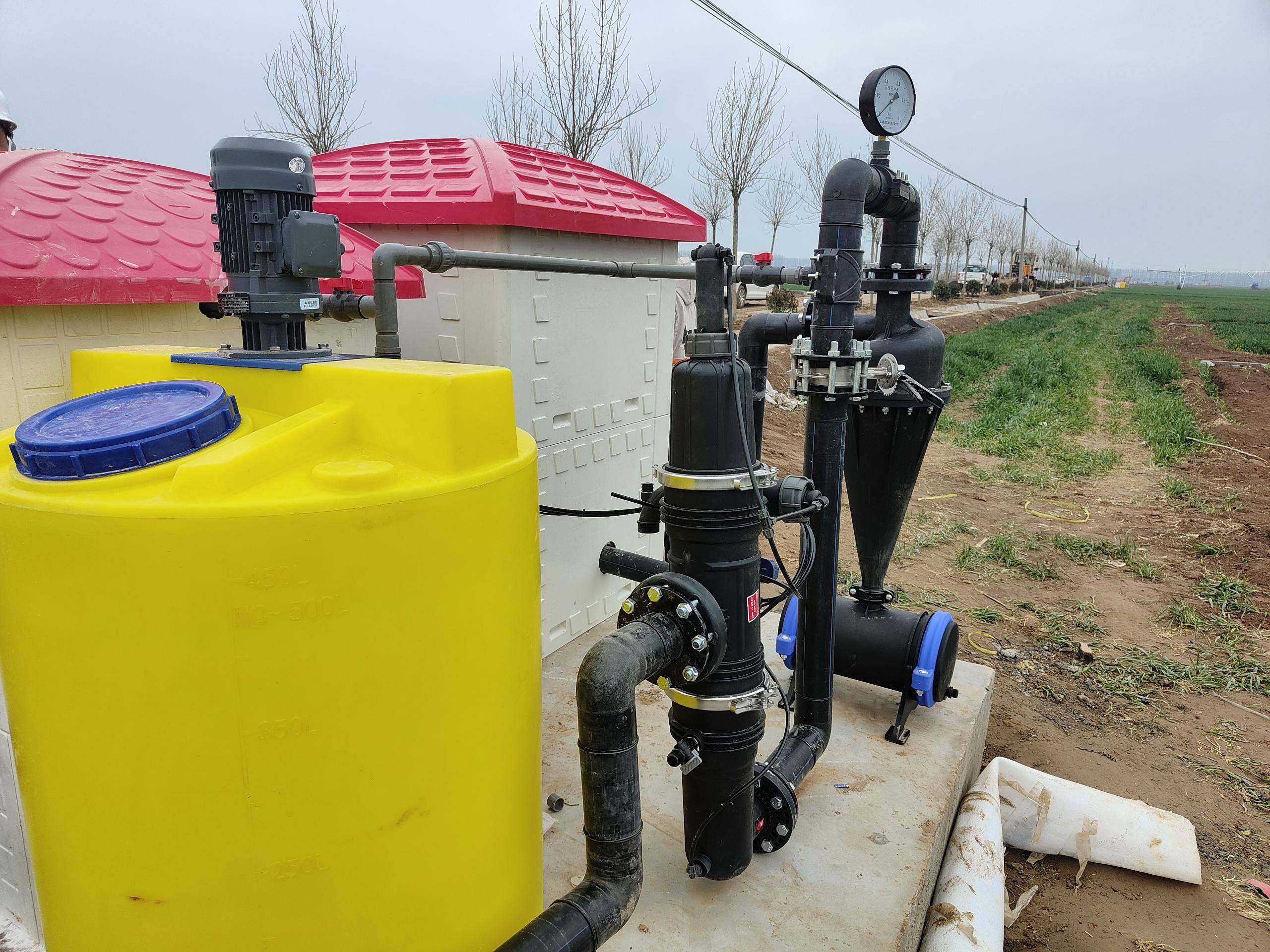
1. Smart Fertilizer Injector: The Nutrient Chef
What It Does:
- Blender Module: Mixes water with liquid fertilizers at <1% error rates.
- Pressure-Compensated Emitters: Delivers identical “meals” to every plant.
- Cloud Dashboard: Adjusts doses, timing, and zones from your phone.
Solutions for Farmers:
- Water Efficiency: Drip tech cuts use by 60–70% vs. flooding.
- Fertilizer Savings: Precision cuts waste by 40%, boosting ROI.
- Labor Freedom: Manage 300 acres of citrus groves solo.
American Case Study:
In California’s almond farms, this system boosted yields by 15% while using 70% less water compared to traditional methods.
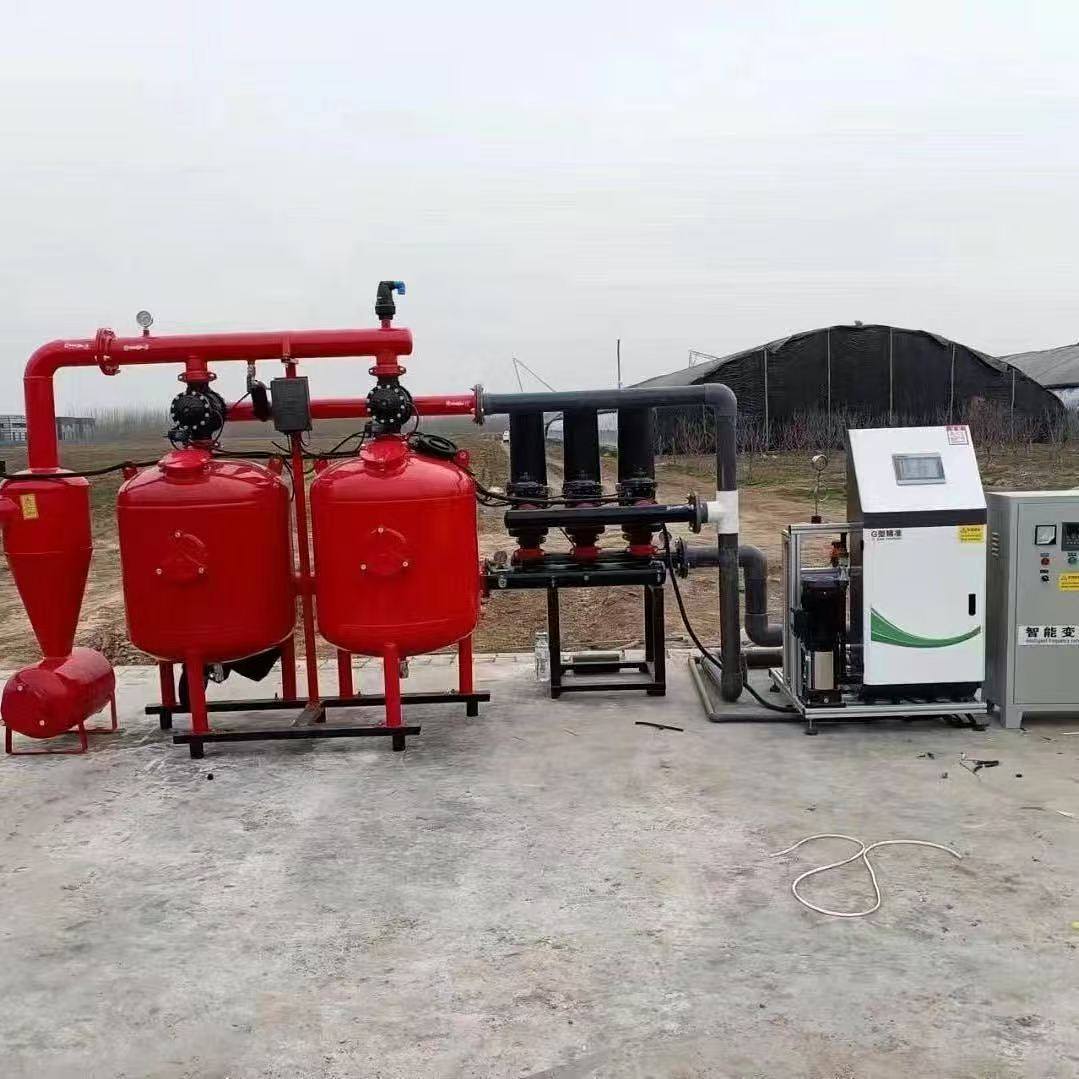
2. Auto-Dosing Fertilizer System: Plants’ Personal Dietitian
What It Does:
- Venturi Injection Pump: Pulls fertilizer using water pressure—no electricity needed.
- EC/pH Sensors: Monitors nutrient levels in real time.
- Solar Backup: Works off-grid in remote areas.
Solutions for Farmers:
- Time Saver: Automates “little and often” feeding, preventing root burn.
- Back Saver: No more manual tank refills—covers entire fields.
- Quality Boost: Strawberries in Mexico saw 20% higher sugar content with consistent feeding.
Brazilian Case Study:
Coffee plantations in Minas Gerais reduced fertilizer costs by 35% while achieving uniform bean size for premium export grades.
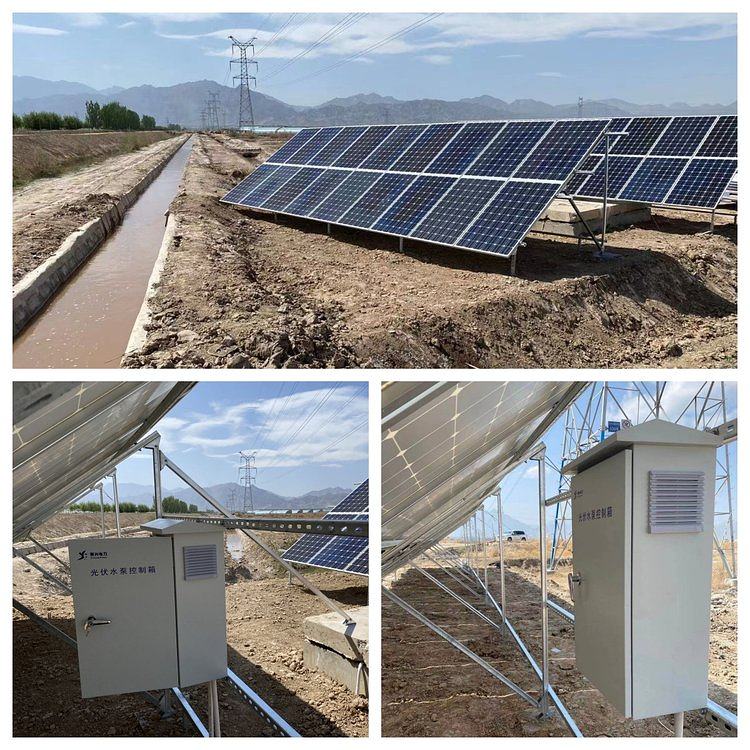
3. Solar-Powered Water Pump: Energy Independence for Farms
What It Does:
- High-Efficiency Panels: Powers 8+ hours of pumping daily.
- Brushless Motor: Uses 50% less energy than conventional pumps.
- Smart Sensor: Triggers pumping based on soil moisture.
Solutions for Farmers:
- Zero Electric Bills: Solar cuts energy costs entirely—payback in 3–5 years.
- Reliability: Works during outages; even operates on cloudy days.
- Sustainability: Each pump offsets 10 tons of CO2/year.
Canadian Case Study:
Wheat farms in Saskatchewan use solar pumps to tap groundwater, expanding acreage by 40% without grid costs.
III. Why America’s Farmers Choose Smart Irrigation: 3 Key Wins
| Farmer Need | Old School Problem | Smart Irrigation Fix |
|---|---|---|
| Save Water | 50% wasted via flooding | Drip + sensors = 90% efficiency |
| Save Time | 10 hours/day on chores | 1-hour app check = 10x faster |
| Save Money | High labor/energy bills | Solar + automation = 50% lower costs |
IV. The Future: Farms as Tech Ecosystems
Smart irrigation is just the beginning:
- AI Weather Integration: Systems adjust days in advance using forecasts.
- Pest-Fighting Irrigation: Drones detect diseases; sprinklers double as sanitizers.
- Carbon Credits: Save water/energy to earn revenue from climate markets.
Conclusion: Water Every Drop Count
From California’s orchards to Brazil’s rainforests, smart irrigation isn’t just tech—it’s a revolution in sustainability and profitability. If you’re tired of guessing with Mother Nature, let’s make your farm smarter.